
Mold and mildew are persistent problems that can significantly impact the structural integrity of your property and the health of its occupants. Preventing their growth involves implementing proactive strategies to create an environment that is inhospitable to these fungi. Below are some key steps and considerations for effectively preventing mold and mildew in your home or facility.
Control Moisture Levels
Mold thrives in damp conditions, making moisture control a crucial step in prevention.
- Fix leaks immediately: Inspect areas such as roofs, plumbing systems, and basements for any signs of water leakage. Addressing leaks promptly can prevent excess moisture accumulation.
- Use dehumidifiers: In areas prone to high humidity, such as basements or bathrooms, install a dehumidifier to maintain indoor humidity levels below 60%.
Improve Air Circulation
Stagnant air contributes to increased humidity, creating favorable conditions for mold growth.
- Rearrange furniture to allow airflow around walls and corners.
- Keep interior doors open when possible to encourage cross-ventilation throughout your home or facility.
- Use ceiling fans regularly, especially in areas with limited ventilation.
Regular Cleaning Practices
Frequent cleaning is essential for removing mold spores before they have a chance to grow.
- Vacuum with HEPA filters: Conventional vacuum cleaners may not capture microscopic mold spores effectively. HEPA filters are designed specifically for this purpose.
- Clean fabrics frequently: Wash curtains, upholstery covers, and area rugs regularly using hot water when possible.
- Wipe down surfaces prone to dampness (like bathroom tiles) with antimicrobial products.
Manage Outdoor Areas
| Preventative Measure | Purpose |
| Trim vegetation near walls | Reduces trapped moisture around your structure |
| Clean gutters regularly | Prevents water buildup on your roof |
| Direct downspouts away from property foundations | Minimizes water seepage into basements |
Additionally, store firewood away from the building as it retains moisture that could contribute to fungal growth.
Waterproof Problematic Areas
Some spaces are naturally more susceptible to dampness due to their location or design (e. g. , basements).
- Apply waterproof sealants on walls and floors.
- Install vapor barriers if crawl spaces are present beneath the structure.
- Consider sump pumps for properties prone to flooding.
Monitor High-Risk Zones Regularly
- Check window sills for condensation buildup.
- Inspect HVAC systems for blockages or visible fungal growth.
- Look out for musty odors in enclosed spaces.
By implementing these strategies consistently across all areas of your household or facility, you can greatly reduce the likelihood of mold and mildew taking hold within your space while safeguarding both health and property value over time.
Effective Mold Removal Deltona FL: Tackling Damp and Dirty Breeding Grounds
Mold and mildew thrive in specific environmental conditions, primarily where dampness, dust, and dirt are prevalent. These areas often serve as ideal breeding grounds for fungal growth due to the combination of moisture and organic material. Understanding why these zones are susceptible can help homeowners and facility managers take preventive measures to avoid potential health risks and property damage.
Understanding the Importance of Mold Inspection Deltona FL in Preventing Moisture-Related Mold Growth
Moisture is one of the most critical factors that contribute to mold growth.
– Leaking pipes or roofs
– Condensation on windows or cold surfaces
– Poorly ventilated bathrooms or kitchens
– Flooding or water intrusion
When these wet conditions persist, they create an environment where mold spores can settle and grow. Regular inspections of areas prone to dampness are essential to mitigate this risk.
Mold Testing Deltona FL: How Dust Becomes a Food Source for Mold
Dust may seem harmless at first glance, but it contains an array of organic materials such as dead skin cells, hair, fibers from clothing, and even microscopic food particles. These elements act as nutrients for mold spores once moisture is introduced into the mix. Areas that accumulate dust—such as behind furniture, inside air ducts, or atop shelving—should be cleaned frequently to minimize potential food sources for mold colonies.
| Area | Reason for Dust Accumulation | Preventive Measure |
| Behind appliances | Hard-to-reach spots attract build-up | Regular cleaning with attachments |
| HVAC systems | Filter inefficiencies trap particles | Replace filters every 1–3 months |
| Cluttered storage spaces | Minimal airflow leads to buildup | Declutter/storage in airtight bins |
How a Mold Removal Company Deltona FL Can Help Prevent Growth Issues
Dirty areas provide both the nutrients (organic matter) and protective environments that mold needs to thrive. Unclean surfaces—especially those in moist areas like bathrooms or basements—can harbor hidden mold spores waiting for optimal conditions to grow.
– Bathrooms with soap scum residue on tiles
– Kitchens with food waste beneath appliances
– Carpets that aren’t regularly vacuumed or deep-cleaned
By maintaining high cleanliness standards throughout your home or facility, you reduce the chances of mold gaining a foothold.
Key Steps to Address Problematic Areas
- Fix Water Leaks Promptly:Address even minor leaks quickly before they create long-term moisture issues.
- Clean Regularly:Develop a consistent cleaning routine focusing on hard-to-reach places and neglected corners.
- Invest in Air Purifiers:HEPA filters can capture airborne particles like dust and some types of spores.
- Declutter Frequently:Organize areas prone to clutter such as basements or garages.
By addressing these factors comprehensively, you can limit the conditions necessary for mold growth in your home or facility while protecting both the building’s integrity and its occupants’ health.
Damp, Dusty, and Dirty Areas: Why They Are a Breeding Ground for Mold and Mildew
Mold and mildew thrive in specific conditions, typically where there is moisture, warmth, poor ventilation, and organic material to feed on. Damp, dusty, and dirty areas provide an ideal environment for mold spores to settle and grow. These areas are often overlooked during regular cleaning routines, making them hotspots for fungal infestations.
Why Mold Grows in Damp Areas
Mold requires moisture to grow. It can develop in areas with excess humidity, water leaks, or condensation buildup.
- Bathrooms: Showers, bathtubs, and sinks are frequently exposed to moisture and are often poorly ventilated.
- Basements: These areas are commonly damp due to poor insulation or water seepage from outside.
- Kitchens: Spills, leaks under sinks, or steam from cooking can create a moist environment conducive to mold growth.
To prevent mold in these spaces:
– Fix leaks promptly. – Use exhaust fans or dehumidifiers. – Wipe down wet surfaces after use.
The Role of Dust in Mold Growth
Dust particles consist of organic materials such as dead skin cells and fibers. These serve as food sources for certain types of mold. When combined with humidity or moisture, dust-covered surfaces become fertile grounds for fungal development.
Key targets for dust accumulation include: – HVAC systems – Ceiling corners – Behind furniture – Shelves
To address this issue: 1. Dust regularly using microfiber cloths. 2. Change HVAC filters frequently. 3. Vacuum carpets with a HEPA filter.
How Dirty Areas Contribute to Mold Formation
Dirt can harbor bacteria alongside organic matter that molds consume for growth. If left uncleaned over time—especially in high-humidity environments—dirty surfaces can lead directly to mildew formation.
Common dirty areas where mold thrives: | Location | Factors Contributing to Dirt Buildup |
|—————-|———————————————–|
| Grout lines | Soap scum buildup in showers |
| Behind appliances | Food crumbs and grease spills |
| Attics | Accumulated debris like leaves or dirt |
Strategies for managing these spaces include: – Deep-clean grout using baking soda or vinegar solutions. – Pull out appliances regularly during cleaning schedules. – Inspect attics seasonally for debris buildup.
Tips for Reducing Mold-Prone Conditions
- Control Humidity Levels: Maintain indoor humidity below 50% using a dehumidifier if necessary.
- Regular Cleaning Routines: Incorporate thorough cleaning into your schedule—especially focusing on neglected areas such as under sinks or behind furniture.
- Use Mold-Inhibiting Products: Certain sprays designed specifically for bathrooms or kitchens help prevent fungal growth.
By addressing the combination of dampness, dust accumulation, and dirt buildup through practical steps like these above-mentioned methods helps safeguard your property against potential risks posed by unchecked molds/mildew

Effective Methods to Remove Mold and Mildew from Your Property
Mold and mildew can cause structural damage to your property and pose health risks if left unaddressed. Removing these fungi effectively requires a methodical approach that prioritizes safety, thoroughness, and long-term prevention. Below are some proven strategies for removing mold and mildew from your property.
Before starting any removal process, evaluate the severity of the mold or mildew infestation. This step helps determine whether you can manage it yourself or if professional remediation is necessary.
- Small Areas (<10 square feet):Can typically be addressed with DIY methods.
- Large Areas (>10 square feet):Consider hiring a certified professional to ensure safe and complete removal.
- Mold on Porous Materials (e.g., drywall, carpet):These items often require removal and replacement as cleaning may not fully eliminate the problem.
Using the appropriate tools and cleaning products is critical to safely remove mold and mildew.
- Personal protective equipment (PPE) such as gloves, goggles, and an N95 respirator mask.
- Non-ammonia-based detergent or commercial mold remover.
- White vinegar or baking soda (for natural cleaning solutions).
- Scrub brushes or sponges.
- Disposable rags or paper towels.
- Plastic sheeting (to isolate contaminated areas).
- A vacuum equipped with a HEPA filter.
- Seal off affected areas using plastic sheeting or barriers.
- Turn off HVAC systems to minimize air circulation, which could carry spores to other parts of your property.
- Mix a cleaning solution of water and detergent or use a commercial antifungal product.
- Scrub surfaces thoroughly with a brush until all visible growth is removed.
- Rinse with clean water and dry completely using a cloth.
- Start by scrubbing gently with a mild detergent-water solution.
- Avoid oversaturating the material since moisture can worsen mold growth.
- Apply an EPA-approved fungicide if needed for deeper treatment.
Natural alternatives include white vinegar (straight) applied directly to affected surfaces or baking soda mixed with water into a paste for light infestations.
If certain materials are heavily infested with mold—like carpets, ceiling tiles, insulation—they may need replacement rather than cleaning due to potential health hazards.
| Material | Removal Recommended? |
| Carpet | Yes |
| Drywall | Yes |
| Glass/Metal/Tile | No |
| Upholstery | Depends on extent |
Dispose of contaminated items in sealed bags to avoid spreading spores during transport.
- Use fans or dehumidifiers to accelerate drying.
Long-Term Prevention Tips
- Fix leaks in plumbing promptly.
- Maintain indoor humidity below 50% using dehumidifiers where necessary.
- Ventilate high-moisture areas like bathrooms by installing exhaust fans.
- Regularly inspect basements and attics for early signs of moisture issues.
By following these steps meticulously, you can successfully remove existing mold while creating an environment that discourages future growth on your property effectively.
Proactive Steps for Effective Mold Remediation Deltona FL Residents Can Rely On
Mold and mildew are more than just unsightly problems; they can pose serious risks to health, property, and overall indoor air quality. Addressing mold and mildew issues proactively is essential to prevent damage, reduce health hazards, and avoid costly remediation in the future.
Why Early Intervention Matters
- Certain types of mold, like Stachybotrys chartarum(commonly known as black mold), produce mycotoxins that are particularly harmful.
- Mold thrives in damp areas, gradually breaking down wood, drywall, insulation, and other materials.
- Small infestations are easier and less expensive to handle compared to large-scale growth.
- Delayed action often results in extensive repairs or full replacement of affected areas.
1.Moisture Control
Keeping surfaces dry is critical since moisture is a primary catalyst for mold growth: – Fix plumbing leaks immediately. – Use a dehumidifier in high-humidity areas to maintain indoor humidity below 60%. – Ensure proper ventilation in bathrooms and kitchens by using exhaust fans.
| Area | Common Sources of Moisture | Suggested Solutions |
| Bathroom | Leaking pipes or condensation | Install exhaust fans; seal grout regularly |
| Basement | Foundation cracks | Apply waterproof coatings; use dehumidifiers |
| Kitchen | Sink leaks; wet countertops | Repair leaks promptly; wipe surfaces dry |
2.Airflow Optimization
– Avoid placing furniture too close to walls where airflow may be restricted.
3.Use Preventative Products
Consider applying anti-mold sprays or paints designed specifically for mold-prone surfaces during renovations or repairs: – Protective sealants on wooden fixtures. – Mildew-resistant paint on bathroom walls.
Signs That Immediate Action Is Needed
Proactive measures are important but recognizing early warning signs ensures timely intervention: – Persistent musty smells that don’t dissipate with cleaning. – Visible growth on walls, around window sills, under sinks, or near HVAC vents. – Water stains that reappear even after drying out the area.
Long-Term Benefits of Early Action
By addressing mold problems before they escalate: – You preserve the health of occupants by maintaining clean air quality throughout your home or workplace. – Costs associated with property damage remain manageable compared to delayed treatment efforts. – You create a safer environment by ensuring structural components remain intact over time.
Ignoring small signs of fungal growth today could result in substantial problems tomorrow—both financially and physically—making proactive management an indispensable practice for any property owner.
How to Keep Mold Out of Your Home or Facility with Proven Treatment Techniques
Mold can pose serious health risks and cause significant damage to your property if not properly managed. By employing effective treatment techniques, you can prevent mold from becoming a persistent problem in your home or facility. Below are actionable steps and proven methods to keep mold at bay.
Control Moisture Levels
Moisture is the key factor that allows mold to thrive. To effectively prevent its growth, you must control the moisture levels in your environment.
- Fix Leaks Promptly: Repair leaks in roofs, walls, pipes, and other fixtures immediately to prevent water accumulation.
- Use Dehumidifiers: Maintain indoor humidity levels below 50% with the help of dehumidifiers. Hygrometers can be used to monitor humidity levels.
Regular Cleaning and Maintenance
Regular upkeep is essential to discourage mold growth. A clean environment minimizes potential sources for fungal infestations.
- Clean Mold-Prone Areas Frequently: Pay special attention to damp areas like bathrooms, basements, and window sills.
- Use Mold-Inhibiting Cleaners: Choose cleaning solutions specifically designed to kill mold spores.
- Inspect HVAC Systems: Ensure that air ducts and HVAC systems are cleaned regularly as they can harbor mold spores.
Address Condensation Issues
Condensation on surfaces such as windows, pipes, and walls creates a breeding ground for mold. Addressing these issues early can save time and money.
- Improve Insulation: Add insulation around cold surfaces like pipes or poorly insulated walls to reduce condensation.
- Install Double-Pane Windows: These reduce temperature differences between indoor and outdoor air that often cause moisture buildup.
Treat Surfaces with Anti-Mold Products
| Surface Type | Recommended Treatment |
| Walls & Ceilings | Apply anti-mold paint or primers before painting |
| Wooden Fixtures | Use fungicidal sprays specifically formulated for wood |
| Shower Tiles | Apply grout sealers periodically |
Remove Standing Water Immediately
Standing water can quickly lead to mold growth within 24–48 hours.
- Mop up puddles around sinks or bathtubs immediately after use.
- Ensure floor drains are not clogged in basements or utility rooms.
- Remove water-damaged carpets or upholstery promptly.
Monitor Indoor Air Quality
- Install HEPA air purifiers capable of capturing airborne spores.
- Change HVAC filters regularly according to manufacturer guidelines.
By implementing these proven techniques into your routine maintenance practices, you can significantly reduce the risk of mold invading your home or facility. Proactive measures are key in maintaining a safe and clean environment free from fungal intrusions.
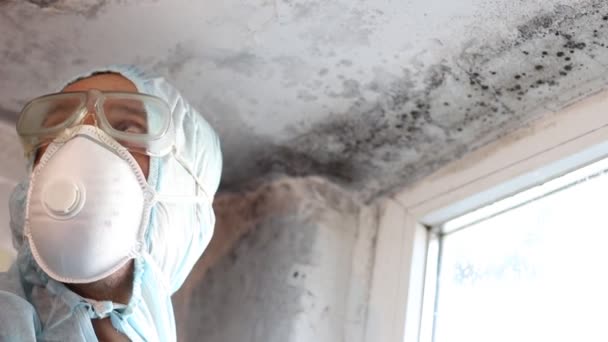
Preventing Mold Growth: The Key Steps to Protecting Your Space from Fungal Infestations
Below are key steps and strategies to safeguard your space against mold development.
Mold thrives in damp environments. Managing indoor humidity effectively is one of the most critical steps in preventing mold growth.
- Monitor humidity levels: Invest in a hygrometer to ensure indoor humidity stays between 30% and 50%.
- Use dehumidifiers: Especially in basements, bathrooms, and other prone areas with high moisture levels.
- Fix leaks promptly: Repair leaking pipes, roofs, or windows as soon as they are detected.
Reducing moisture buildup through proper airflow is another effective way to prevent mold infestation.
- Avoid overcrowding furniture against walls; allow air circulation around these spaces.
Frequent cleaning plays a significant role in preventing mold spores from settling on surfaces and growing.
- Vacuum regularlywith a vacuum that has a HEPA filter to trap mold spores effectively.
- Clean visible dust and grime from surfaces using non-toxic cleaning agents.
- Use mold-inhibiting cleaners for sensitive areas like tiles, grout lines, shower doors, or sinks.
Certain areas of your home are more susceptible to moisture buildup than others.
| Area | Prevention Tips |
| Basement | Use waterproof sealants on walls and floors; inspect for leaks regularly. |
| Bathroom | Wipe down tiles after use; keep shower curtains dry between baths/showers. |
| Laundry Room | Ventilate dryers properly; avoid leaving wet clothes sitting out too long. |
| Attic/Storage Spaces | Ensure proper insulation; store items in airtight plastic containers. |
Water damage caused by flooding or plumbing issues can create the perfect conditions for rapid mold growth if not addressed quickly.
- Dry out wet materials within 24–48 hours using fans or specialized drying equipment.
- Discard porous materials like carpets or ceiling tiles that have been saturated and cannot be thoroughly dried.
- Sanitize affected surfaces with an antimicrobial cleaner designed for mold prevention.
- Opt for mold-resistant drywall instead of traditional drywall.
- Choose paints containing antimicrobial properties.
- Seal wood surfaces with specialized coatings that deter moisture absorption.
- Teach family members or facility occupants about reducing water spills immediately.
- Share tips on managing ventilation appliances like fans or dehumidifiers correctly.
By integrating these techniques into your maintenance routine, you will significantly reduce the risk of mold taking root within your space while preserving both health and property value long-term.
- Comprehensive Guide to Mold Removal Deltona FL and Prevention Strategies
- Effective Mold Remediation Deltona FL: Prevent Water Damage and Restore Your Home
- Effective Strategies to Prevent Black Mold Deltona FL Growth in Your Home or Facility
- Black Mold Deltona FL: Understanding the Key Differences Between Removal and Remediation
- Top Benefits of Hiring a Professional Service for Black Mold in Deltona FL
- How Mold Remediation Deltona FL Experts Address the 5 Common Causes of Mold Spread
- Mold Remediation Deltona FL: Understanding the Key Differences Between Remediation and Removal
- The Comprehensive Process of Mold Removal Deltona FL Services Explained