
Dealing with water damage promptly and effectively is critical in preventing mold growth and ensuring your home is restored to its original condition. Mold can begin to form within 24-48 hours of water exposure, so taking immediate action is vital. Below are the essential steps for repairing water damage while minimizing the risk of mold.
Step 1: Assess the Extent of Water Damage
Before starting any repairs, thoroughly inspect the affected areas to determine the scope of the damage. This assessment should include:
– Identifying all areas exposed to water (e.g., walls, floors, ceilings).
– Determining how long the water has been present.
– Identifying any visible signs of mold growth or strong musty odors.
Use tools such as moisture meters or infrared cameras if possible, as these can help detect hidden moisture in walls or under flooring.
Step 2: Stop the Source of Water Intrusion
Prevent further damage by addressing the source of water intrusion immediately. Common sources include:
– Leaking pipes or plumbing systems.
– Damaged roofing or clogged gutters.
– Flooding due to storms or overflowing appliances.
Once you eliminate the source of water, you can move on to drying and repair efforts confidently.
Step 3: Remove Standing Water
Standing water provides an ideal environment for mold growth and structural deterioration. Use equipment like wet/dry vacuums, sump pumps, or buckets and mops for manual removal, depending on the severity of flooding.
Step 4: Dry Out Affected Areas Thoroughly
Drying out all wet materials is key to preventing mold formation. Methods for effective drying include:
– Using industrial-grade dehumidifiers to reduce humidity levels in affected areas. – Setting up fans for air circulation. – Opening windows and doors (if weather permits) for ventilation. – Removing wet carpeting or damaged flooring that cannot be salvaged.
Table: Recommended Humidity Levels
| Area Type | Ideal Humidity Level (%) | Action Required if Above Limit |
| Living Spaces | 30–50 | Run a dehumidifier immediately |
| Basements | 30–50 | Improve ventilation & use fans |
| Attics | Below 50 | Inspect insulation & roof leaks |
Step 5: Clean All Surfaces with Antimicrobial Solutions
To eliminate potential mold spores that may have already spread during exposure, clean exposed surfaces thoroughly with appropriate cleaning agents such as: – A mixture of detergent and warm water for general cleaning. – Antimicrobial sprays specifically designed to kill mold spores. Avoid using bleach on porous materials like drywall as it may not effectively reach embedded spores.
Step 6: Inspect and Remove Damaged Materials
Some materials may need complete removal if they are too damaged or soaked beyond repair: – Drywall – Replace sections where moisture has penetrated deeply. – Carpeting – Discard carpets/padding that cannot be dried within 48 hours. – Wooden Furniture – Sand down lightly damaged wood; replace irreparably warped items.
Step 7: Monitor and Prevent Future Issues
Regularly monitor repaired areas for signs of lingering moisture or new mold growth over time. To prevent future problems: 1. Maintain proper indoor humidity at recommended levels. 2. Address leaks promptly when they occur. 3. Install sump pumps where flooding risks exist (e.g., basements).
Taking swift action using these steps will prevent long-term issues like structural damage or health complications caused by unchecked mold development after water damage.
Identifying and Addressing Black Mold in Deltona FL After Water Damage
Water damage, whether caused by flooding, burst pipes, or a leaking roof, creates an ideal environment for mold to thrive. Mold growth can begin within 24-48 hours after water exposure if the issue is not addressed promptly. Identifying and mitigating mold infestations is essential to protect both your home and your health.
Signs of Mold Growth After Water Damage
Detecting mold early can save you from expensive repairs and potential health risks. Here are some common signs of mold growth:
– Visible spots: Mold often appears as black, green, or grayish patches on walls, ceilings, or floors.
– Musty odor: A persistent musty smell in areas affected by water damage may indicate hidden mold growth.
– Discoloration: Stains or discoloration on surfaces like drywall could signal moisture retention and potential mold presence.
– Health symptoms: Unexplained respiratory issues, allergies, or skin irritation may point to indoor mold exposure.
Steps to Identify and Address Mold Growth
- Assess the extent of water damage
Start by inspecting the affected area thoroughly. Look for visible water stains, leaks, or damp surfaces that could harbor mold colonies. - Test for hidden mold
If you suspect concealed mold (e.g., behind walls or under flooring), consider professional testing services or at-home testing kits designed to detect airborne spores. - Stop the source of moisture
Fix leaks or any other sources of water intrusion immediately to prevent further moisture buildup. - Dry out the area completely
Use dehumidifiers and fans to remove excess moisture from affected spaces. Keep windows open if weather permits for added ventilation. - For small infestations (less than 10 square feet): Use a mixture of water and detergent to scrub away surface-level mold on nonporous materials like tiles or metal.
- For larger infestations: Hire certified professionals who specialize in safe and effective mold removal processes.
- Dispose of contaminated materials when necessary
Porous items like carpets, drywall, insulation material, or upholstered furniture that have been saturated with water may need replacement since they can retain moisture even after drying efforts.
Tools and Products Recommended for Addressing Mold
| Tool/Product | Purpose | Notes |
| HEPA Vacuum | Removes loose spores from surfaces | Ensure filters are cleaned regularly |
| Dehumidifier | Reduces excess humidity in the air | Maintain humidity levels below 50% |
| Detergent/Soap Solution | Cleans surface-level visible molds | Avoid using bleach on porous materials |
| Protective Equipment (N95 mask & gloves) | Protects against direct contact with spores | Always prioritize safety |
Preventing Future Mold Growth
- Monitor indoor humidity levels: Keep them between 30%-50%.
- Ensure proper ventilation: Use exhaust fans in bathrooms/kitchens when cooking or showering.
- Inspect gutters/drainage systems regularly: Blockages could lead to water pooling near your home’s foundation.
- Repair leaks immediately: Promptly address plumbing issues before they lead to excessive moisture buildup indoors.
Taking a proactive approach toward identifying and addressing mold growth ensures your home remains safe while promoting a healthy living environment for all occupants.
Effective Mold Inspection Deltona FL: Drying Water Damage and Reducing Humidity
Effectively drying out water damage and controlling humidity are crucial steps in preventing mold growth. Mold thrives in damp, humid environments, and taking the right measures immediately after water damage can save you from long-term structural issues, health risks, and costly repairs.
Steps to Dry Out Water Damage
- Determine how extensive the water damage is. Check floors, walls, ceilings, and furniture for moisture.
- Use a moisture meter to identify hidden damp areas that may not be visible.
- Begin by extracting as much standing water as possible using tools like wet/dry vacuums or submersible pumps.
- For smaller spills, towels or mops can help absorb water effectively.
- Open windows and doors to promote natural airflow if weather permits.
- Use exhaust fans in bathrooms or kitchens to further improve ventilation.
- Deploy dehumidifiers to remove excess moisture from the air. Choose high-capacity models for larger spaces.
- Place air movers strategically around the affected area to ensure proper circulation of dry air.
- Carpets, rugs, insulation, and drywall that are soaked should be removed promptly if they cannot be dried within 24–48 hours.
- Dispose of any items that cannot be salvaged safely without risking mold contamination.
Tools You’ll Need
| Tool | Purpose |
| Wet/Dry Vacuum | Extracts standing water effectively |
| Dehumidifier | Reduces airborne humidity |
| Air Mover/Blower Fan | Enhances air circulation for drying |
| Moisture Meter | Identifies hidden damp areas |
| Hygrometer | Measures indoor humidity levels |
Controlling Indoor Humidity Levels
- Ideal Humidity Range: Maintain an indoor relative humidity between 30–50% using a hygrometer for monitoring.
- Temperature Control: Keep your home’s temperature stable with HVAC systems or portable heaters during colder months to aid in evaporation.
- Repair Leaks: Inspect plumbing fixtures, roofs, and windows for leaks contributing to excess moisture indoors.
Tips for Preventing Mold Formation During Drying
- Avoid carpet installation in areas prone to high moisture levels unless specifically designed for such conditions.
- Wipe down all hard surfaces (e.g., wood furniture or tile) with antimicrobial solutions or mild soap and warm water.
- Monitor the drying process daily. If moist odors persist after drying efforts or visible mold appears, consult a professional remediation service promptly.
Drying out after water damage involves swift action combined with proper techniques. Maintaining low humidity levels and ensuring thorough removal of moisture will significantly reduce the risk of mold growth while preserving your home’s integrity over time.
Understanding the Risks of Untreated Water Damage and Mold Removal Deltona FL
Water damage, whether from a burst pipe, flooding, or roof leak, can have dire consequences if left unaddressed. One of the most significant risks associated with untreated water damage is mold growth. Mold not only damages your property but also poses serious health risks. Below is an in-depth look at why managing water damage promptly is essential and what can happen if you don’t.
The Importance of Mold Testing Deltona FL to Prevent Untreated Water Damage
- Moisture Retention: Porous materials like drywall, carpets, wood, and insulation absorb water quickly. If these materials remain wet for too long (typically 24-48 hours), mold spores can start colonizing.
- Humidity Increase: Water damage raises indoor humidity levels. High humidity above 60% accelerates mold development.
- Delayed Drying Process: Without prompt extraction of standing water and proper airflow, moisture becomes trapped within walls or flooring.
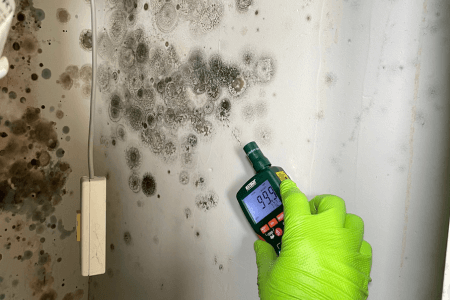
Expert Tips from a Mold Removal Company in Deltona FL on Health Risks of Mold
- Allergic Reactions: Symptoms include sneezing, a runny nose, itchy eyes or throat, and skin irritation.
- Respiratory Problems: Mold releases spores that irritate the respiratory system when inhaled. This can cause wheezing or exacerbation of asthma symptoms.
- Chronic Illnesses: Prolonged exposure to toxic molds such as Stachybotrys (commonly known as black mold) may lead to chronic fatigue or even neurological symptoms in extreme cases.
Certain groups such as children, the elderly, and individuals with compromised immune systems are particularly vulnerable.
Structural Risks of Mold Growth
| Material | Risks Due to Mold | Possible Outcomes |
| Drywall | Weakens structure | Cracking or sagging |
| Wooden Components | Rot and decay | Unstable framework |
| Carpets | Persistent odor & mildew | Requires replacement |
When left unchecked for extended periods, mold damages these materials beyond repair—leading to costly restorations or replacements.
Preventing Mold After Water Damage
- Remove pooled water immediately using pumps or wet vacuums.
- Dry affected areas thoroughly using fans and dehumidifiers.
- Check behind walls, under carpets, and inside crawl spaces for hidden moisture buildup.
- Discard porous items like rugs or drywall that cannot be salvaged after prolonged contact with water.
- For extensive damage, consult certified restoration specialists who can ensure proper cleanup processes.
Understanding these risks underscores why addressing even minor instances of water damage promptly is vital—not just for protecting your home but also for safeguarding your family’s well-being.
Deciding What Needs to Be Restored or Replaced After Water Damage to Prevent Mold Spread
When dealing with water damage, it is critical to act swiftly and make informed decisions about what can be salvaged and what must be replaced. Failure to address damaged materials promptly can lead to mold growth, creating health risks and further structural damage. This guide provides a systematic approach to assess the condition of your belongings and prevent mold spread.
Assessing Water-Damaged Items
- Clean Water Damage (Category 1): Results from sources such as broken pipes or rainwater. Materials exposed may still be salvageable if addressed quickly.
- Gray Water Damage (Category 2): Includes water from appliances like washing machines or dishwashers. These materials may require more careful cleaning due to contaminants.
- Black Water Damage (Category 3): Caused by sewage backups or floodwaters. Items exposed are often unsalvageable due to harmful bacteria and other toxins.
Materials That Typically Need Replacement
- Carpets and Padding: These absorb moisture quickly, making them breeding grounds for mold within 24-48 hours. If soaked for an extended period, replacement is usually necessary.
- Drywall: When saturated, drywall loses structural integrity and promotes mold growth on its porous surface.
- Insulation: Once wet, insulation becomes ineffective at maintaining thermal performance and cannot be properly cleaned.
- Paper-Based Items: Books, cardboard, and similar items absorb water rapidly and are difficult to dry thoroughly.
Salvageable Items: Cleaning and Restoring
- Wipe down surfaces with a clean cloth.
- Use mild detergent and warm water for cleaning.
- Sand down any warped surfaces post-drying if needed.
- Disinfect using a mix of bleach (1 cup) with 1 gallon of water.
- Ensure thorough drying using fans or dehumidifiers.
- Remove fabric covers for separate drying/cleaning.
- Use professional-grade cleaners for heavily affected items.
Decision-Making Tips
| Material/Item | Replace if… | Restore if… |
| Carpet & Rugs | Mold is visible or has been wet >48 hours | Exposure was brief; no signs of mildew |
| Drywall | Swollen, sagging, or discolored | Only mildly damp around edges |
| Furniture (Wood) | Structural components are warped | Surface stains only; structurally intact |
| Electronics | Exposed to black/gray water | Minimal exposure; consult professionals |
Preventing Future Mold Spread
- Use industrial fans, heaters, and dehumidifiers immediately after removing damaged items.
- Maintain indoor humidity levels below 50%.
- Monitor walls and floors regularly for signs of moisture retention over time.
By carefully assessing each item’s condition following water damage and removing high-risk materials promptly, homeowners can effectively mitigate the long-term risks associated with mold exposure while preserving as much as possible during the recovery process.
Deciding What Needs to Be Restored or Replaced After Water Damage to Prevent Mold Spread
When water damage occurs, assessing the extent of damage is a crucial step in preventing mold growth. Mold thrives in moist environments, and materials that remain damp for extended periods are particularly susceptible. Careful evaluation will help determine what can be salvaged and what must be replaced to ensure your home does not become a breeding ground for mold.
Key Factors in Deciding What to Restore or Replace
- Materials that are minimally affected and dried quickly can often be restored.
- Items heavily saturated or exposed to water for more than 48 hours are at higher risk of mold infestation and may need replacement.
- Porous materials like drywall, insulation, carpets, upholstered furniture, and paper-based products absorb water easily and retain moisture longer. These items are more likely to support mold growth if not completely dried or removed.
- Non-porous materials such as metal, glass, and solid wood can often be cleaned and restored without much concern for mold.
- Clean Water: Damage caused by clean water (e.g., a burst pipe) may allow for greater restoration possibilities.
- Gray Water: Items exposed to gray water (from sources like washing machines) may need careful cleaning or replacement depending on contamination levels.
- Black Water: Contamination from sewage or floodwaters usually necessitates disposal of affected items due to health risks.
Common Items That May Need Replacement
- Drywall: Once saturated, drywall quickly becomes a feeding ground for mold because it is highly porous.
- Insulation: Fiberglass or foam insulation loses its effectiveness when wet and is difficult to dry out completely.
- Carpets and Rugs: If not professionally cleaned and dried within 24-48 hours, carpets often harbor bacteria and mold.
- Mattresses & Upholstered Furniture: These items absorb moisture deeply, making them almost impossible to remediate safely.
- Books & Paper Products: Mold can develop rapidly on these materials; replacement is typically the best option.
Steps for Determining Salvageable vs Non-Salvageable Items
| Step | Recommendations |
| Inspect Materials | Check for visible signs of damage (discoloration, warping) or lingering dampness. |
| Monitor Moisture Levels | Use a moisture meter to assess whether materials have completely dried out. |
| Test for Odors | Persistent musty smells may indicate hidden mold growth even if no visible signs exist. |
| Consult Professionals | For valuable or sentimental items, seek advice from restoration experts who specialize in handling delicate belongings. |
Professional Restoration vs DIY Efforts
- The damaged area exceeds 10 square feet.
- The source of water damage involved contaminated black water.
- There is visible mold growth that requires proper containment during removal.
Professional teams bring specialized tools like industrial dehumidifiers, air scrubbers, HEPA vacuums, and expertise in properly disposing of hazardous materials.
Preventing the spread of mold after water damage relies heavily on making informed decisions about what can realistically be restored versus what poses ongoing risks if left in place. By acting promptly and seeking professional guidance where necessary, you minimize health hazards while safeguarding your home environment effectively.
- Comprehensive Guide to Mold Removal Deltona FL and Prevention Strategies
- Effective Mold Remediation Deltona FL: Prevent Water Damage and Restore Your Home
- Effective Strategies to Prevent Black Mold Deltona FL Growth in Your Home or Facility
- Black Mold Deltona FL: Understanding the Key Differences Between Removal and Remediation
- Top Benefits of Hiring a Professional Service for Black Mold in Deltona FL
- How Mold Remediation Deltona FL Experts Address the 5 Common Causes of Mold Spread
- Mold Remediation Deltona FL: Understanding the Key Differences Between Remediation and Removal
- The Comprehensive Process of Mold Removal Deltona FL Services Explained