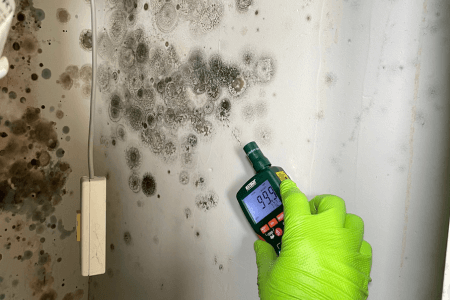
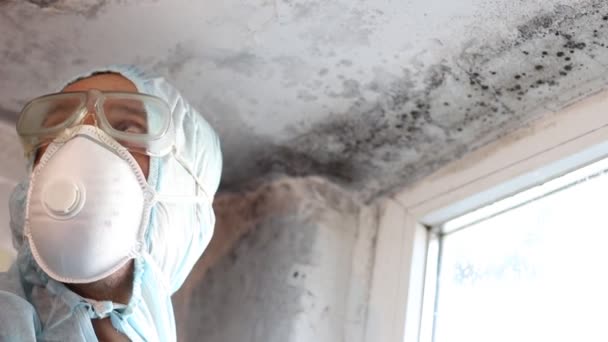
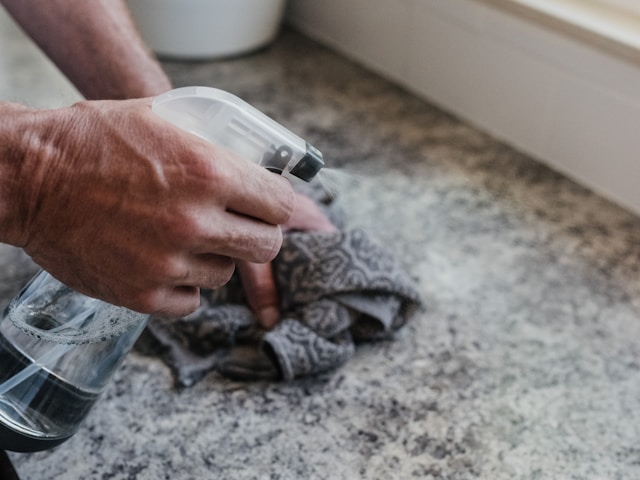
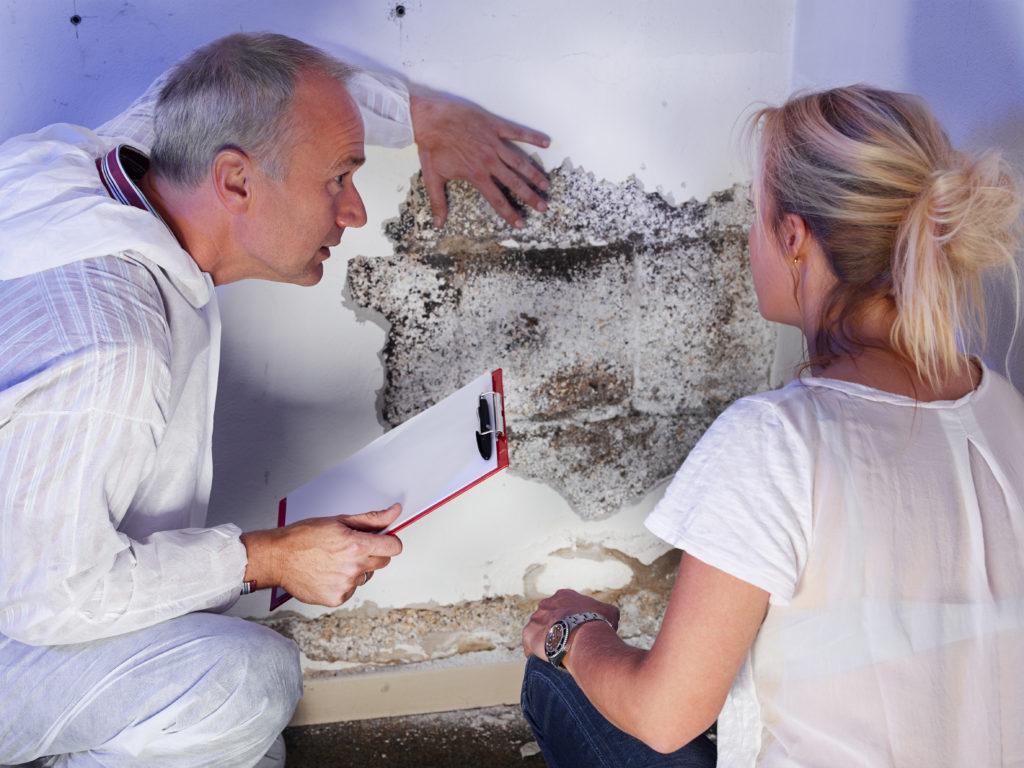
Mold is a common household issue that can lead to serious health concerns and structural damage if left untreated. Understanding how to prevent mold growth and effectively clean it when it occurs is essential for maintaining a healthy home environment. This guide will cover practical strategies for mold prevention, as well as methods for thorough cleanup to protect your property and your health.
Effective Mold Remediation Deltona FL: Why Prevention Matters
Preventing mold is much easier and less costly than dealing with an established infestation. Mold spores are naturally present in the air, but they require moisture, organic material, and warmth to grow. By addressing these factors, you can significantly reduce the risk of mold growth in your home.
Not only does preventing mold protect your home from damage, such as rotting wood and crumbling drywall, but it also minimizes exposure to potential allergens or respiratory irritants associated with certain types of molds.
Effective Tips to Prevent Black Mold in Deltona FL
https://www.deltonamoldremoval.org/
- Keep indoor humidity levels below 50%.
- Use a dehumidifier in damp areas like basements or crawl spaces.
- Regularly check for leaks in plumbing, roofs, windows, or walls.
- Use exhaust fans in kitchens and bathrooms during cooking or showering.
- Open windows occasionally to improve air circulation.
- Ensure vents from dryers and other appliances are directed outdoors.
- Inspect Vulnerable Areas:
Certain areas of the house are more likely to harbor excess moisture: - Basements
- Bathrooms
- Attics Regularly inspect these spaces for signs of leaks, water stains, or condensation.
- Quickly Address Water Damage:
Mold can start growing within 24-48 hours after water exposure: - Dry wet areas immediately with fans or towels.
- Remove soaked materials such as carpets or insulation if necessary.
- Sanitize surfaces with a mix of water and mild detergent.
- Store Items Properly:
Avoid storing belongings like cardboard boxes directly on basement floors where they may trap moisture over time: | Material | Storage Recommendation | |——————|———————————————| | Cardboard Boxes | Replace with plastic bins with tight lids | | Fabric | Store in sealed containers |
Top Tips for Mold Inspection Deltona FL Cleanup Techniques
- Wear protective gear such as gloves, goggles, and an N95 mask.
- Scrub hard surfaces using a stiff brush dipped in soapy water.
- For more stubborn spots, use a mixture of one cup bleach per gallon of water (test compatibility on surfaces beforehand). Never mix bleach with ammonia-based cleaners.
- Seal contaminated materials (such as drywall) into plastic bags if removal is necessary.
For larger infestations or toxic black mold (Stachybotrys chartarum), hire certified professionals who have the expertise and equipment required for safe remediation.
By combining consistent preventive measures with effective cleanup strategies when necessary, homeowners can safeguard their living spaces from the harmful effects of mold while ensuring healthier indoor environments overall.
Effective Mold Testing Deltona FL: Identify and Prevent Problem Areas
Proactively identifying areas in your home that are prone to mold growth is a critical step in maintaining a healthy environment. Mold thrives in damp, humid conditions, and understanding the potential problem areas can help you prevent its formation.
Key Areas to Inspect for Mold
- Bathrooms: Regularly check for leaks under sinks, around toilets, and near bathtubs or showers. Poor ventilation can also lead to excess humidity buildup.
- Kitchens: Inspect spaces beneath sinks, around dishwashers, and behind refrigerators where condensation may build up unnoticed.
- Basements and Crawl Spaces: These areas often suffer from high humidity levels due to poor insulation or water seepage through foundation cracks.
- Attics: Improper roof insulation or leaks can lead to moisture accumulation, creating an ideal environment for mold growth.
- Windowsills and Frames: Condensation from temperature variations often collects on windowsills, especially in colder months.
How to Identify Problem Areas
- Look for Visible Signs of Moisture or Stains
Water stains on ceilings, walls, or floors often indicate leak issues that need immediate attention. - Notice Musty Odors
A persistent musty smell may signal hidden mold growing behind walls or under carpets. - Check for Discoloration
Spots of black, green, brown, or white discoloration could be early signs of mold development. - Monitor Indoor Humidity Levels
Use a hygrometer to measure humidity levels regularly—aim for a range between 30%–50%. - Inspect Ventilation Systems
Poor airflow in areas like laundry rooms or bathrooms can trap moisture and encourage fungal growth.
Preventive Measures Once Problem Areas Are Identified
- Fix any identified water leaks immediately—whether from plumbing systems or structural issues like roof damage.
- Invest in dehumidifiers if your home has persistently high humidity levels.
- Improve ventilation by installing exhaust fans in kitchens and bathrooms where steam commonly accumulates.
- Seal foundation cracks and apply waterproof coatings as needed in basements and crawl spaces.
- Clean gutters regularly to ensure water drains away from the house instead of seeping into foundations.
| Area | Common Causes | Prevention Tips |
| Bathrooms | Poor ventilation | Install exhaust fans; wipe down walls after showers |
| Kitchens | Leaky plumbing/appliances | Fix leaks promptly; inspect appliances quarterly |
| Basements | High humidity/water seepage | Use dehumidifiers; seal cracks |
| Attics | Roof leaks/poor insulation | Inspect roofs annually; improve attic insulation |
| Windowsills | Condensation | Wipe condensation regularly; use double-pane glass |
By focusing on these problem zones and proactively addressing any risks associated with them, homeowners can significantly reduce the likelihood of widespread mold issues while maintaining a safe living environment for their families.
Choosing the Best Mold Removal Company Deltona FL to Prevent Future Issues
Effectively addressing mold issues begins with identifying the areas in your home that are most vulnerable to its growth. Mold thrives in environments that are damp, warm, and poorly ventilated. By pinpointing these problem areas, you can take proactive measures to prevent mold from taking hold.
Common Problem Areas for Mold Growth
- Bathrooms
Bathrooms are one of the most common areas for mold due to high humidity levels from showers or baths. Look for mold growth in: - Shower curtains or doors
- Grout lines between tiles
- Ceilings and corners
- Kitchens
Kitchens often see condensation from cooking and dishwashing activities, creating an environment conducive to mold development. Focus on: - Areas under sinks where leaks may occur
- Refrigerator drip pans
- Spaces behind or under appliances
- Basements and Crawl Spaces
These spaces are naturally cooler and often more humid than other parts of the house. Inspect for: - Cracks or leaks in foundation walls
- Standing water or persistent dampness on floors
- Poor ventilation leading to trapped moisture
- Windowsills and Frames
Condensation can easily accumulate around windows, particularly during colder months. This moisture can fuel mold growth on: - Wooden window frames
- Caulking or seals around glass panes
- Attics
Improper roof ventilation or leaks can cause moisture buildup in attics. Watch for: - Water stains on wood beams or insulation material
- Poor airflow due to blocked vents
Steps to Identify Mold-Prone Areas
- Conduct Routine Inspections: Regularly inspect hidden corners, behind furniture, and other underutilized spaces where air circulation is low.
- Look for Visible Signs: Dark discoloration, black spots, or greenish stains could be indicators of mold colonies.
- Monitor Smells: A musty odor is often a telltale sign of hidden mold.
- Check Humidity Levels: Use a hygrometer to measure indoor humidity—ideally it should stay below 50%.
Tools to Help Identify Issues
| Problem Area | Tools/Methods | What to Look For |
| Bathrooms/Kitchens | Moisture meter | Damp surfaces near pipes or sinks |
| Basements/Crawl Spaces | Flashlight | Cracks, standing water |
| Windowsills | Visual inspection | Condensation droplets |
| Attics | Infrared thermometer | Temperature inconsistencies |
Preventive Measures After Identifying Issues
Once problem areas are identified, it’s crucial to address the contributing factors immediately: – Fix leaks without delay—whether they’re in plumbing lines, roofs, or appliances. – Install dehumidifiers in humid spaces like basements. – Improve ventilation by adding exhaust fans in bathrooms and kitchens. – Apply waterproof coatings on surfaces prone to dampness.
By locating these vulnerable zones early and implementing preventive solutions, you can significantly reduce the risk of mold growing unchecked within your home’s structure.
Fixing Water Leaks Immediately to Avoid Mold Issues
Water leaks are one of the primary causes of mold growth in homes. Addressing leaks quickly can prevent moisture from seeping into walls, flooring, or other surfaces where mold thrives. Mold can grow within 24-48 hours of water exposure, so prompt action is essential. This section explores key steps and practical tips for fixing water leaks effectively to mitigate mold risks.
Common Sources of Water Leaks
Water leaks can occur in various areas of your home. Identifying these sources early can save time and minimize costly repairs:
– Plumbing leaks: Damaged pipes, worn-out seals, or loose fittings under sinks, behind walls, or in basements.
– Roof leaks: Missing shingles or damaged flashing that allows rainwater to seep into the attic and walls.
– Appliance malfunctions: Leaking dishwashers, washing machines, refrigerators, or water heaters.
– Window and door frames: Gaps or cracks letting rainwater seep indoors.
– Foundation and basement issues: Cracks in the foundation or improper drainage systems causing water accumulation.
Steps to Fix Water Leaks Promptly
- Identify visible signs like dripping water, stains on ceilings/walls, damp odors, or pooling water near appliances.
- For hidden leaks (e.g., behind walls), pay attention to peeling paint or swelling drywall as potential indicators.
- Turn off the main water supply if a pipe is leaking.
- For appliances causing leakage, disconnect their hoses until repairs can be made.
- Replace worn-out plumbing components such as gaskets, seals, valves, or connectors.
- Use epoxy putty for temporary fixes on small pipe cracks until professional assistance is available.
- Patch roof damage with appropriate sealants if roofing materials are compromised.
- Use dehumidifiers or fans to dry wet surfaces quickly.
- Mop up standing water immediately and remove wet furniture or carpets from affected areas.
- Dispose of porous materials that have been heavily saturated for more than 48 hours as they may harbor mold spores.
- Conduct regular maintenance checks on plumbing lines and appliances.
- Clean gutters regularly to prevent overflow that could lead to roof damage.
- Seal window frames and foundation gaps with weather-resistant caulk.
Tools and Materials Needed
| Task | Tools/Materials | Purpose |
| Pipe Repairs | Wrench, plumber’s tape | Tightening connections |
| Roofing Fixes | Roofing nails/sealant | Sealing shingles/flashing |
| Quick Crack Sealing | Epoxy putty | Temporary pipe repair |
| Drying Wet Areas | Dehumidifier/fans | Reducing moisture levels |
Why Immediate Action Matters
Delaying repairs increases the risk of structural damage caused by prolonged moisture exposure. Mold spores spread rapidly when damp conditions persist; this not only compromises indoor air quality but also poses health risks such as respiratory issues and allergic reactions.
By addressing leaks swiftly through proper inspection and repair techniques, you reduce the likelihood of mold infestations while protecting your property’s integrity over time.
Reducing Humidity and Condensation to Prevent Mold Formation
Controlling humidity and moisture levels in your home is one of the most effective ways to prevent mold growth. Mold thrives in damp environments, so addressing high humidity levels and condensation can significantly reduce the risk of mold issues. Below, we explore practical strategies and solutions to keep your home’s humidity under control.
Understanding Ideal Humidity Levels
Maintaining an optimal indoor humidity level can help prevent the development of mold. Generally, the recommended indoor relative humidity (RH) is between 30% and 50%. Levels above 60% create an environment conducive to mold growth.
Practical Tips for Reducing Humidity
- Use a Dehumidifier:
A dehumidifier effectively reduces excess moisture in the air, particularly in problem areas like basements or crawl spaces. - Ventilate Properly:
Ensure that areas with high moisture generation—such as bathrooms, kitchens, and laundry rooms—are properly ventilated. Use exhaust fans or open windows when cooking or showering. - Limit Indoor Water Sources:
Avoid overwatering plants indoors and repair leaks promptly. Excess water from these sources can contribute to higher humidity levels. - Monitor Humidity Regularly:
Invest in a hygrometer to monitor indoor relative humidity. This will help you detect potential issues before they worsen.
Managing Condensation
Condensation occurs when warm air meets cooler surfaces, such as windows, walls, or pipes. Addressing condensation is essential since it can provide a breeding ground for mold if not managed effectively.
- Install Insulated Windows:
Double-pane or insulated windows reduce temperature differences that lead to condensation buildup on glass surfaces. - Use Window Treatments Wisely:
Heavy window coverings can trap moisture near windows. Use lighter treatments that allow airflow around window areas. - Insulate Pipes and Ducts:
Wrap exposed pipes with foam insulation to reduce sweating caused by cold air coming into contact with warmer spaces. - Wipe Down Surfaces Regularly:
Wipe any visible condensation on windows or other surfaces immediately using a dry cloth to eliminate excess moisture.
Tools for Controlling Moisture
| Tool/Technique | Purpose |
| Dehumidifier | Removes excess water vapor from the air |
| Hygrometer | Measures relative humidity levels |
| Exhaust Fans | Improves airflow and reduces trapped moisture |
| Insulation Materials | Minimizes temperature differences causing condensation |
By actively reducing both overall humidity levels and surface-specific condensation issues, you create an environment that’s inhospitable for mold growth. Consistent monitoring and maintaining healthy moisture levels will go a long way in protecting your home from potential damage caused by mold formation.
Comprehensive Mildew and Mold Cleanup Techniques for Your Home
Mold and mildew can be detrimental to both your health and your home’s structural integrity. To maintain a safe living environment, it’s essential to approach mold cleanup with effective, proven techniques. Below is a step-by-step guide to address mold and mildew issues comprehensively.
1. Assess the Extent of Mold Growth
- Surface Area: Mold covering an area less than 10 square feet (around a 3×3 ft patch) can often be addressed by homeowners using proper tools and protective measures.
- Widespread Contamination: When mold spans large areas or invades HVAC systems, consult a professional remediation service.
Create a checklist of all visible signs of mold and consider hidden areas such as:
– Behind wallpaper or drywall
– Inside wall cavities
– Beneath carpets
2. Gather Essential Tools and Supplies
| Tools & Supplies | Purpose |
| Disposable gloves | Protect hands from mold spores |
| N95 respirator mask | Prevent inhalation of spores |
| Safety goggles | Protect eyes during scrubbing |
| Plastic sheeting | Contain contaminated areas |
| HEPA vacuum | Remove fine particles/spores |
| Scrub brushes/sponges | Clean porous & hard surfaces |
| Mold-specific cleaning products (or DIY vinegar solution) | Kill surface-level growth |
3. Isolate the Affected Area
- Use plastic sheeting to seal off doors, vents, or open areas that may allow spores to spread through airflow.
- Turn off HVAC systems in the affected space until remediation is complete.
4. Remove Porous Materials
- Inspect damaged porous items for extensive infestation.
- If materials have significant staining or odor that cannot be cleaned effectively, discard them safely following local disposal guidelines.
5. Clean Non-Porous Surfaces
- Scrub using soap/detergent mixed with water.
- Use mold-killing solutions like diluted vinegar (50/50 water-to-vinegar ratio) or commercial cleaners specifically designed for fungi removal.
- Rinse thoroughly with clean water after scrubbing.
Pro Tip: Avoid mixing cleaning agents such as bleach with ammonia-based products due to toxic chemical reactions.
6. Dry Thoroughly After Cleaning
After removing visible mold traces and residues:
– Use dehumidifiers or fans to accelerate drying. – Ensure no moisture remains in previously infested spaces because damp surfaces encourage regrowth.
Example: For spaces such as basements prone to reoccurring condensation problems post-cleanup:
- Install vapor barriers on foundation walls.
- Add waterproofing paint layers where applicable.
7. Conduct Post-Cleanup Verification
- Reinspect treated areas—ensure no residual stains/odors persist. 2 Optional Testing Services – Homeowners may choose post-remediation air sampling tests from specialists validating spore reduction/mold containment success rate when more severe outbreaks occur previously
The Importance of Proper Ventilation in Combating Mold Growth
Proper ventilation plays a critical role in maintaining a mold-free home. Poor air circulation can lead to excess humidity, trapped moisture, and ideal conditions for mold growth. By ensuring that your home is well-ventilated, you can significantly reduce the risk of mold development and improve indoor air quality. Below are some practical tips and considerations for improving ventilation to combat mold effectively.
Why Ventilation Matters in Mold Control
- Reducing indoor humidity levels.
- Allowing trapped condensation to escape.
- Promoting better airflow throughout the house.
Key Areas That Require Enhanced Ventilation
- Install exhaust fans rated for the size of the bathroom.
- Keep windows open (where possible) after showers to allow steam to dissipate.
- Wipe down wet surfaces such as tiles and mirrors after use.
- Use range hoods while cooking to vent steam outdoors.
- Regularly clean ductwork connected to exhaust systems.
- Avoid letting water sit in sinks or on counters for prolonged periods.
- Invest in a dehumidifier if natural ventilation is limited.
- Ensure windows are operable or use mechanical ventilators designed for basements.
- Check foundation walls and flooring for any signs of dampness.
- Install vents (ridge vents or soffit vents) that allow fresh air circulation.
- Ensure attic insulation doesn’t block airflow from vents.
- Inspect your roof for leaks or areas prone to water pooling during rain.
Strategies for Improving Overall Ventilation
| Strategy | Description | Benefits |
| Use Ceiling Fans | Circulates stagnant air within rooms effectively. | Helps reduce trapped heat and humidity levels. |
| Open Windows Regularly | Allows cross-breeze between multiple openings in your home. | Removes stale air quickly. |
| Install Whole-House Fans | Draws cool outdoor air into living spaces while pushing warm air out through attic vents. | Provides comprehensive airflow improvement. |
| Upgrade Air Filters | High-efficiency filters trap mold spores circulating through HVAC systems. | Reduces airborne contaminants. |
Signs That Your Home May Need Better Ventilation
- Persistent condensation on windows or walls during colder months.
- Musty odors lingering despite cleaning efforts.
- Visible patches of black, green, or white mold on walls or furniture.
- Increased allergy symptoms like sneezing or irritation caused by airborne spores.
Long-Term Benefits of Proper Ventilation
- Reduces allergens such as pollen and dust mites.
- Minimizes structural damage caused by persistent moisture buildup.
- Improves energy efficiency by keeping temperature levels balanced naturally.
Taking time to assess your home’s current ventilation system can help protect against mold while promoting cleaner indoor air year-round—an investment worth prioritizing both financially and healthwise.
The Importance of Proper Ventilation in Combating Mold Growth
Proper ventilation plays a pivotal role in preventing and addressing mold growth. Mold thrives in environments where moisture and stagnant air are present, making it critical to ensure your home or workplace is well-ventilated. By improving airflow and reducing indoor humidity levels, you can significantly lower the likelihood of mold development. Here’s an in-depth look at why ventilation matters and how to optimize it.
Why Ventilation Matters for Mold Prevention
Mold spores exist virtually everywhere, both indoors and outdoors. However, these spores require specific conditions to grow: moisture, warmth, and organic material for sustenance. Without proper airflow, areas with high humidity or dampness can trap moisture, creating the perfect breeding ground for mold colonies.
Poor ventilation may lead to: – Increased condensation on surfaces such as windows, walls, and ceilings. – Stagnant pockets of moist air in corners or poorly accessible spaces. – A buildup of airborne allergens like mold spores.
An effective ventilation system not only helps regulate temperature but also ensures that excess humidity is expelled from your indoor environment.
Common Areas Prone to Poor Ventilation
Certain parts of a property are more susceptible to poor ventilation due to their layout or usage. Pay special attention to the following areas: 1. Bathrooms: Steam from showers often accumulates without proper exhaust fans. 2. Kitchens: Cooking releases moisture into the air that needs venting. 3. Basements: These spaces typically have limited airflow and higher relative humidity. 4. Attics: Inadequate roof vents can trap warm air, which condenses on cooler surfaces. 5. Laundry Rooms: The combination of running appliances and lack of airflow makes this area prone to dampness.
Strategies for Improving Ventilation
- Install Exhaust Fans
Use exhaust fans in high-moisture areas like bathrooms and kitchens to remove humid air directly from the source. - Open Windows Regularly
Allow fresh outdoor air inside by keeping windows open when weather conditions permit. Cross-ventilation (opening windows on opposite sides) improves overall airflow. - Utilize Mechanical Ventilation Systems
Mechanical systems such as whole-house ventilators or energy recovery ventilators (ERVs) help maintain consistent airflow throughout your home. - Check Air Ducts
Ensure HVAC systems are clean and functioning properly. Blocked vents or ducts not only affect heating/cooling efficiency but may also exacerbate moisture issues. - Dehumidify When Necessary
In regions with consistently high humidity levels, running a dehumidifier aids both ventilation efforts and moisture control simultaneously.
Ventilation Tips by Room Type
| Room Type | Key Ventilation Recommendations |
| Bathroom | Install exhaust fans; use after showers; open windows if possible |
| Kitchen | Use range hoods while cooking; avoid boiling water excessively |
| Basement | Invest in an industrial dehumidifier; inspect for leaks |
| Attic | Ensure sufficient soffit vents; check insulation regularly |
By addressing inadequate airflow through these methods, you create an environment less hospitable to mold growth while promoting healthier indoor air quality overall.
Maintaining proper ventilation is not just about preventing unsightly mold stains—it protects structural integrity as well as your household’s health over time. An investment in smarter airflow strategies today reduces future repair costs caused by unchecked dampness tomorrow.
- Comprehensive Guide to Mold Removal Deltona FL and Prevention Strategies
- Effective Mold Remediation Deltona FL: Prevent Water Damage and Restore Your Home
- Effective Strategies to Prevent Black Mold Deltona FL Growth in Your Home or Facility
- Black Mold Deltona FL: Understanding the Key Differences Between Removal and Remediation
- Top Benefits of Hiring a Professional Service for Black Mold in Deltona FL
- How Mold Remediation Deltona FL Experts Address the 5 Common Causes of Mold Spread
- Mold Remediation Deltona FL: Understanding the Key Differences Between Remediation and Removal
- The Comprehensive Process of Mold Removal Deltona FL Services Explained