
Mold is a common yet potentially hazardous problem for both residential and commercial properties. When addressing mold issues, two terms often emerge: mold removal and mold remediation. While these phrases are sometimes used interchangeably, they refer to different approaches in managing mold-related problems. Understanding the distinction between the two is crucial in determining how to effectively protect your property and health.
Defining Mold Removal
Mold removal focuses on eliminating visible mold from surfaces. It typically involves physical cleaning methods, such as scrubbing with detergents or applying chemicals to kill the fungus. While this approach can improve aesthetics by removing visible signs of mold, it does not address the underlying issue that caused the infestation in the first place.
Key aspects of mold removal: – Focuses on surface-level cleaning. – Often involves chemical treatments or mechanical cleaning. – Does not resolve moisture issues or prevent future mold growth. – May leave behind spores that can lead to regrowth if conditions remain favorable.
What Is Mold Remediation?
Mold remediation, on the other hand, is a more comprehensive process aimed at identifying, containing, and eliminating mold growth while addressing its root cause—typically excess moisture. This multi-step approach not only removes existing mold but also ensures long-term prevention by tackling environmental factors that promote fungal growth.
Key aspects of mold remediation: – A holistic approach to combatting mold problems. – Includes an assessment of moisture levels and air quality. – Involves containment strategies to prevent cross-contamination. – Utilizes specialized equipment like HEPA vacuums and air scrubbers. – Targets underlying causes (e.g., leaks or humidity) to prevent recurrence.
| Parameter | Mold Removal | Mold Remediation |
| Objective | Eliminate visible mold | Address root causes & remove all traces |
| Scope | Surface level | Comprehensive solution |
| Focus | Aesthetic improvement | Long-term prevention |
| Tools & Techniques | Cleaning agents & scrubbing | Air scrubbers, HEPA vacuums, dehumidifiers |
Why Knowing The Difference Matters
Failing to distinguish between simple removal and thorough remediation can result in costly mistakes. For example: 1. Relying solely on removal might give a false sense of security while unseen colonies continue spreading behind walls or under flooring. 2. Without remediation efforts such as fixing leaks or reducing humidity, even treated areas may become reinfested within weeks.
If you’re dealing with significant mold contamination or repeated outbreaks despite prior cleaning efforts, it’s best to opt for professional remediation services over basic removal techniques.
When To Choose Each Approach
Deciding whether you need removal or remediation will depend on factors like: – Severity of infestation: Small areas (less than 10 square feet) might only require surface-level cleaning; larger infestations demand expert handling.
– Location: Visible surface spots could be handled with removal processes, but hidden growth—within HVAC systems or structural cavities—requires professional-grade solutions. – Underlying issues: Persistent moisture problems call for comprehensive remediation rather than temporary fixes.
Taking appropriate action ensures effective resolution while safeguarding your property’s structural integrity and occupants’ health over time.
Effective Mold Removal Deltona FL: Protecting Your Home and Health
Mold is a persistent and often hidden problem that can wreak havoc on both your home and health. Understanding the importance of timely mold removal is crucial to safeguarding your living space, maintaining property value, and ensuring the well-being of those inside. Addressing mold issues promptly not only prevents further damage but also minimizes potential health risks associated with exposure.
The Importance of Mold Inspection Deltona FL for Your Home
- Structural Preservation: Mold damages materials like wood, drywall, insulation, and carpet by breaking them down over time.
- Health Protection: Exposure to mold spores can lead to respiratory issues, allergies, skin irritation, or more severe reactions in individuals with compromised immune systems.
- Property Value Maintenance: A home with visible mold damage or lingering odors may lose value or fail inspection during resale.
- Preventing Spread: Mold spreads through airborne spores. If not contained early, it can infiltrate other parts of your home.
Essential Tips for Mold Testing Deltona FL Residents Should Know
| Sign | Description |
| Musty Odor | Persistent earthy smell indicates moisture buildup. |
| Visible Discoloration | Black, green, or white spots on walls or ceilings. |
| Increased Humidity | Consistently high indoor humidity levels (above 60%). |
| Respiratory Symptoms | Coughing, sneezing, or worsening allergies indoors. |
If you notice any combination of these signs within your home or business premises, it may be time to investigate further.
Expert Tips from a Mold Removal Company in Deltona FL to Protect Your Home
- Control Indoor Humidity: Use dehumidifiers and air conditioners to keep humidity levels between 30%–50%.
- Improve Ventilation: Ensure bathrooms, kitchens, basements, and crawl spaces are properly ventilated.
- Fix Leaks Promptly: Repair roof leaks or plumbing issues as soon as they’re detected.
- Waterproof Problem Areas: Apply waterproof sealants in basements or foundation cracks prone to moisture infiltration.
- Clean Surfaces Regularly: Use mold-resistant cleaning products for areas prone to dampness like bathrooms.
When Professional Help is Necessary
While minor surface molds can often be addressed by homeowners using appropriate cleaning techniques (such as bleach solutions), larger infestations require expert intervention. Professionals utilize specialized equipment like HEPA vacuums and negative air machines to safely remove extensive colonies while preventing cross-contamination.
Additionally: – Certified experts assess underlying causes such as water leaks. – They follow strict safety protocols for containment during remediation processes. – Post-removal inspections ensure successful eradication without recurrence risks.
By staying vigilant about identifying signs early on combined with proactive steps aimed at prevention/remediation measures ensures long-lasting protection against future incidents
Everything You Need to Know About the Mold Removal Process
Mold removal is a critical process for maintaining the safety and integrity of your home or business. Understanding the steps involved helps ensure that mold is addressed effectively, minimizing potential health risks and property damage. Below, we’ll explore the essential components of the mold removal process to provide clarity and guidance.
Step 1: Initial Inspection and Assessment
- Visual Inspection: Professionals look for visible signs of mold on walls, ceilings, floors, and other surfaces.
- Moisture Mapping: Identifying areas with elevated moisture levels using specialized equipment like moisture meters.
- Air Quality Testing: Sampling airborne spores to measure contamination levels and identify hidden mold growth.
This assessment ensures that all affected areas are accounted for before moving forward with removal efforts.
Step 2: Containment of Affected Areas
- Sealing off affected rooms with plastic sheeting and tape.
- Using negative air pressure machines equipped with HEPA filters.
- Limiting access to contaminated zones during remediation work.
By containing the affected space, cross-contamination is minimized, ensuring other areas remain unaffected by airborne spores.
Step 3: Mold Removal Techniques
| Surface Type | Removal Method |
| Non-Porous Surfaces | Wiping with antimicrobial solutions or using HEPA vacuuming for spore removal. |
| Porous Materials | Removing damaged materials such as drywall or insulation completely. |
| Semi-Porous Surfaces | Sanding or wire-brushing combined with cleaning agents if necessary. |
Professionals also ensure that all debris resulting from removal efforts is disposed of properly according to local regulations.
Step 4: Cleaning and Disinfection
- Applying EPA-approved fungicides or antimicrobial treatments.
- HEPA vacuuming remaining surfaces to trap stubborn spores.
- Addressing HVAC systems if they’ve been exposed, as they can circulate contaminants throughout your property.
Proper cleaning reduces the likelihood of regrowth after remediation concludes.
Step 5: Drying and Dehumidification
Because mold thrives in damp environments, drying out affected spaces is crucial after cleaning. Dehumidifiers are often used alongside fans or heaters to lower indoor moisture levels rapidly. The goal is to achieve optimal humidity levels (30%-50%) throughout your property.
It’s also important at this stage to address any underlying causes of moisture buildup—such as leaks or poor ventilation—to prevent recurrence.
Step 6: Post-Remediation Verification
- Retesting air quality for proper spore reduction.
- Inspecting cleaned surfaces for visual signs of remaining growth.
- Confirming that humidity levels are within acceptable ranges across all spaces involved.
Post-remediation verification ensures that property owners can confidently reoccupy their homes or businesses without lingering concerns about contamination.
Tips for a Successful Mold Removal Project
- Always wear proper protective gear (masks, gloves, goggles) when handling contaminated materials yourself.
- Avoid using bleach as it’s ineffective on porous materials like wood or drywall where roots may remain embedded.
- Ensure professionals you hire are certified by organizations like IICRC (Institute of Inspection Cleaning Restoration Certification).
- Address water issues immediately (e.g., leaking pipes) as part of resolving long-term risks associated with recurring growth.
- Verify final results through third-party testing whenever possible for added peace of mind.
Understanding these essential steps can make all the difference when tackling mold issues effectively in your home or business environment while safeguarding health outcomes over time.
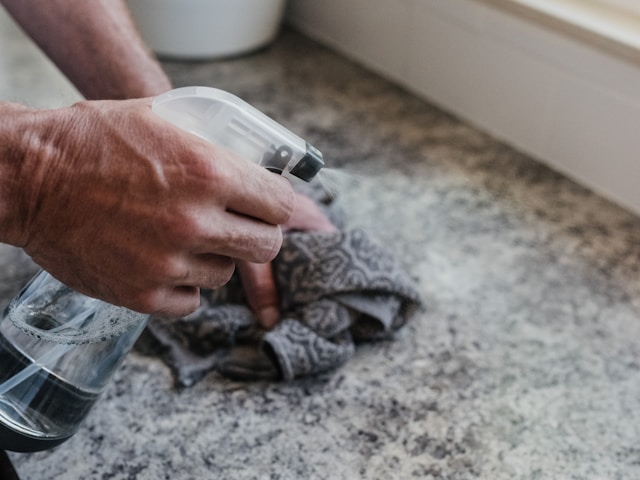
A Comprehensive Guide to Mold Remediation and Its Essential Steps
Mold remediation is a systematic process aimed at addressing mold growth comprehensively, ensuring it is removed efficiently while preventing its recurrence. Below is an in-depth look at the essential steps involved in mold remediation, designed to safeguard your property and health.
Step 1: Mold Inspection and Assessment
- Inspect visible areas of concern like walls, ceilings, basements, or crawlspaces.
- Use moisture meters or thermal imaging cameras to detect hidden moisture pockets contributing to mold growth.
- Conduct air quality tests to measure spore levels inside your property compared to outdoor environments.
An accurate assessment helps determine the scope of the issue and create a tailored remediation plan.
Step 2: Containment of Affected Areas
- Sealing off affected areas with plastic sheeting (using negative air pressure systems when necessary).
- Turning off HVAC systems in contaminated zones to avoid dispersing spores through air ducts.
This step is critical for reducing cross-contamination risks.
Step 3: Air Filtration
| Equipment | Function |
| HEPA Vacuums | Remove loose spores from surfaces effectively. |
| Air Scrubbers | Trap microscopic particles from the atmosphere. |
Maintaining clean indoor air throughout this phase minimizes health hazards for occupants.
Step 4: Removal of Mold and Contaminated Materials
- Cleaning hard surfaces with antimicrobial solutions approved for mold treatment.
- Disposing of porous materials like drywall, carpet, or insulation if they are extensively affected by growth.
- Sanding or scrubbing wood surfaces when necessary to remove deeply embedded spores without compromising structural integrity.
Proper disposal of contaminated items is essential for compliance with environmental safety protocols.
Step 5: Addressing Moisture Problems
- Repairing leaks in roofs, plumbing systems, or windows.
- Improving ventilation in damp areas such as bathrooms or basements.
- Installing dehumidifiers where humidity levels consistently exceed recommended thresholds (30%-50%).
Effective moisture control creates an environment less conducive to future outbreaks.
Step 6: Restoration and Preventative Measures
- Replacing damaged building materials (drywall, flooring) as needed.
- Painting over cleaned surfaces using specialized coatings that inhibit future fungal activity.
Additionally: – Installing vapor barriers in crawlspaces prevents ground moisture infiltration. – Educating homeowners about proper maintenance practices helps sustain long-term results.
By following these comprehensive steps closely under professional guidance where required ensures safe living environments moving forward effectively
Recognizing Common Signs of Mold Growth in Your Home or Business
Identifying mold growth early is crucial for maintaining a safe and healthy environment in your home or business. Mold can grow quickly in the right conditions, and its presence often signals underlying moisture issues. Below, we’ll explore the common signs of mold growth so you can take action promptly.
Visual Indicators of Mold
Mold often grows in damp, dark areas that are not easily visible. However, there are certain visual clues to watch out for: – Discoloration on surfaces: Mold typically appears as black, green, white, or brown spots or patches. – Textured growths: Some mold species have a fuzzy or slimy texture that’s noticeable upon closer inspection. – Water damage stains: Yellowish or brown water stains on walls or ceilings may indicate hidden mold growth. – Peeling paint or wallpaper: Moisture trapped behind walls can lead to bubbling paint or peeling wallpaper, creating ideal conditions for mold.
Musty Odor
One of the most recognizable signs of mold is a persistent musty smell. This odor often lingers even after cleaning and is particularly strong in enclosed spaces like basements, crawlspaces, and attics. While other issues such as dampness might also contribute to unpleasant odors, the “earthy” smell of mold is distinct and should not be ignored.
Physical Symptoms Experienced by Occupants
Exposure to mold can trigger various health symptoms among those living or working in an affected area. Even if you don’t see visible signs: – Allergic reactions such as sneezing, itchy eyes, and skin irritation may emerge. – Persistent coughing or respiratory discomfort could indicate airborne spores. – Individuals with asthma might experience exacerbated symptoms without an obvious external cause.
If multiple occupants report similar health concerns while inside a specific space but find relief elsewhere, it might point toward hidden mold contamination.
Areas Prone to Mold Growth
Certain areas within homes and businesses are more susceptible to developing mold due to their higher moisture levels: | Location | Why It’s Vulnerable | |————————-|—————————————————————————| | Bathrooms | High humidity from showers and baths creates ideal conditions for growth. | | Kitchens | Leaky pipes under sinks or around appliances may foster hidden colonies. | | Basements & Crawlspaces| Poor ventilation combined with dampness makes these areas high-risk. | | HVAC Systems | Condensation within ducts encourages spore accumulation and spread. |
Regular inspections of these areas can help prevent widespread infestations.
Behavioral Red Flags
Sometimes the presence of mold isn’t obvious until behavioral changes occur within the space itself: – Increased condensation on windows could indicate excess moisture levels. – Frequent water leaks going unaddressed create prime environments for fungi formation.
Proactively monitoring these warning signs allows homeowners/business owners alike greater control over their interiors’ long-term structural integrity alongside resident safety concerns
The Health Risks Associated with Exposure to Mold and Why Removal is Crucial
Mold growth in homes or workplaces is not just an issue of cleanliness or property damage; it poses significant health risks that can severely affect occupants, particularly those with compromised immune systems or pre-existing conditions. Understanding these health risks underscores the importance of prompt mold removal and preventative measures.
Health Risks Linked to Mold Exposure
- Symptoms include sneezing, runny nose, itchy eyes, and skin irritation.
- Individuals with existing allergies are more likely to experience heightened responses when exposed to mold spores.
- Prolonged exposure can irritate the respiratory system, leading to coughing, wheezing, and difficulty breathing.
- Asthma sufferers may experience aggravated symptoms or more frequent attacks.
- Mold exposure can lead to persistent sinus infections due to prolonged irritation and inflammation caused by airborne spores.
- Some molds produce mycotoxins, which can cause more severe conditions such as neurological problems or suppressed immune function when ingested or inhaled over time.
At-Risk Populations
- Infants and Young Children: Their developing respiratory systems make them highly susceptible.
- Elderly Individuals: Age-related declines in immunity increase their vulnerability.
- People with Pre-existing Respiratory Conditions: Asthma and chronic obstructive pulmonary disease (COPD) patients often face exacerbated symptoms due to mold exposure.
- Individuals with Weakened Immune Systems: This includes cancer patients undergoing chemotherapy or those living with autoimmune diseases.
Why Prompt Mold Removal is Essential
- Preventing Long-term Health Complications Ignoring the issue could heighten the risk of chronic illnesses caused by continued exposure.
- Reducing Current Symptoms By eliminating mold at its source, you create a safer environment for occupants already experiencing discomfort.
- Limiting Structural Damage Beyond health concerns, unchecked mold growth can weaken walls, ceilings, flooring materials, and HVAC systems—making subsequent repairs costly.
Preventive Measures Against Mold Growth
| Measure | Description |
| Maintain Proper Ventilation | Use exhaust fans in bathrooms/kitchens; consider dehumidifiers where needed |
| Repair Water Leaks Promptly | Fix leaks around windows, pipes, roofs immediately |
| Monitor Humidity Levels | Keep indoor humidity below 50% |
| Regular Cleaning | Clean damp areas like basements regularly using appropriate disinfectants |
By understanding the potential health risks associated with mold exposure and addressing them proactively through professional removal services or preventive strategies at home or workspaces alike ensures long-term safety for everyone involved without compromise on quality living conditions
Important Questions to Ask Before Hiring Mold Remediation Deltona FL Experts
Hiring a professional mold removal expert is a significant step in ensuring the safety and health of your home or business. However, not all service providers are created equal. Asking the right questions can help you identify the most qualified professionals for the job. Here are key questions to consider when selecting a mold removal expert.
1. Are You Certified and Licensed?
- IICRC Certification (Institute of Inspection Cleaning and Restoration Certification): This ensures the company follows industry standards.
- NAMRI Membership (National Association of Mold Remediators and Inspectors): Indicates specialized expertise in mold remediation.
- Local or state-specific licensing: Confirm that their credentials meet regional requirements.
This ensures you’re working with trained professionals who adhere to industry best practices.
2. What Process Do You Follow for Mold Removal or Remediation?
- Inspection & Assessment: Identifying the type, source, and extent of mold growth.
- Containment: Using barriers to prevent spores from spreading.
- Removal & Cleaning: Ensuring visible mold is removed while cleaning affected surfaces.
- Air Filtration: Often using HEPA filters to remove airborne spores.
- Prevention Measures: Addressing underlying causes like leaks or humidity issues.
If a provider can’t explain their process clearly, it may indicate a lack of expertise.
3. Do You Offer Testing Services?
- Do they use third-party testing labs for unbiased results?
- Are air samples taken from multiple areas?
- Will they provide a detailed report on findings?
Testing ensures that the problem has been properly identified and resolved.
4. Can You Provide References or Testimonials?
- Case studies showcasing their experience with similar issues.
- Online reviews on platforms like Google or Yelp for transparency.
Speaking with past clients can provide valuable insights into their professionalism, reliability, and quality of work.
5. Do You Provide an Itemized Estimate?
| Service | Estimated Cost ($) |
| Inspection & Testing | $200–$600 |
| Containment Measures | $500–$1,500 |
| Mold Removal & Cleanup | $1,000–$3,000 |
| Repairs (if required) | Variable |
An itemized estimate avoids hidden fees and allows you to compare pricing between vendors more effectively.
6. What Preventative Steps Will You Implement?
- Identify moisture sources like leaks or poor ventilation.
- Recommend solutions such as dehumidifiers or improved insulation.
- Offer warranties guaranteeing their work over time.
7. Are Your Technicians Insured?
Accidents can happen during mold remediation, so ensure the company holds liability insurance as well as workers’ compensation coverage to protect against potential damages or injuries during the job.
By asking these crucial questions before hiring a mold removal expert, you’ll be better equipped to select a trustworthy professional who can handle your situation efficiently while ensuring peace of mind during what might otherwise be an overwhelming process.
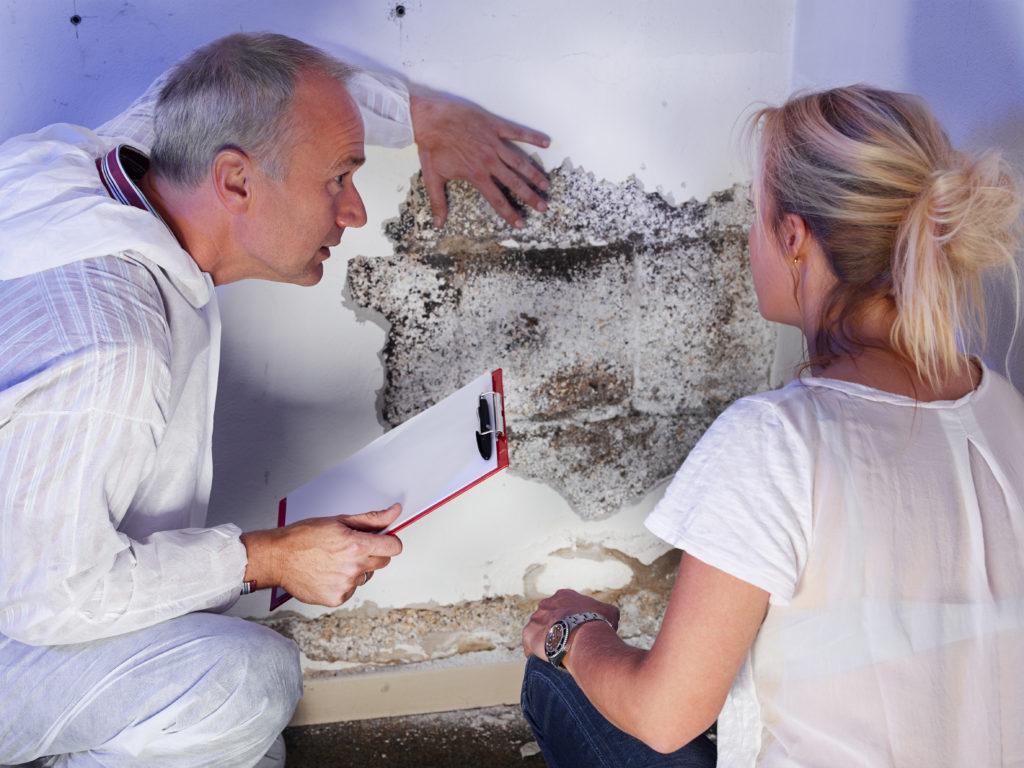
Key Questions You Should Ask Before Hiring a Mold Removal Expert
Choosing the right mold removal expert is critical to ensuring the safety of your home or business. To ensure you’re making an informed decision, it’s essential to ask the right questions before hiring a professional. Here is a detailed guide on key questions you should ask and why they matter.
1. Are You Certified and Insured?
Before hiring any mold removal expert, confirm their credentials. Certifications indicate that the company or individual has undergone proper training and adheres to industry standards. Key certifications to look for include:
– IICRC (Institute of Inspection Cleaning and Restoration Certification)
– NORMI (National Organization of Remediators and Mold Inspectors)
Additionally, ensure they have liability insurance to protect you in case of accidental damage during the remediation process.
2. What Is Your Experience With Mold Removal?
Experience matters when dealing with mold. Ask how long they have been in business and whether they specialize in mold remediation or handle it as part of general cleaning services. Specialists are more likely to have advanced knowledge and techniques.
Follow-Up Questions:
- Have you worked on projects similar to mine (e.g., residential, commercial)?
- Can you provide references or testimonials from past clients?
3. What Methods Do You Use for Mold Removal?
Ask about their approach to mold removal. A qualified professional will use methods tailored to the type, extent, and location of the mold issue while minimizing disruption to your property.
Look for:
- Use of HEPA filters and vacuums during cleanup
- Containment procedures to prevent cross-contamination
- Non-toxic cleaning products that are safe for occupants
Mold remediation should also focus on addressing the root cause, such as moisture control, rather than just removing surface-level growth.
4. Do You Offer Mold Testing Services?
Not all companies conduct thorough testing before beginning remediation work. Reputable experts will often recommend testing by an independent laboratory before and after treatment to confirm effective removal.
Note: Ensure that testing services are managed separately from remediation work to avoid potential conflicts of interest.
5. How Long Will the Process Take?
Understanding timelines is important for planning purposes, especially if you’ll need to vacate your home or workplace temporarily during remediation. The timeline can vary depending on factors such as:
– The size of the affected area
– The type of mold present (e.g., black mold may require more extensive procedures)
A professional should be able to provide realistic estimates after inspecting your property.
| Factors Influencing Timelines | Example Duration |
| Small area (bathroom corner) | 1–2 days |
| Large-scale infestation | Several weeks |
6. Can You Provide a Detailed Estimate?
Request a written estimate outlining:
– Labor costs
– Equipment required
– Materials used
– Additional fees for follow-up inspections or testing
Avoid companies that refuse to provide transparent pricing information upfront.
7. Do You Offer Any Warranties or Guarantees?
Mold can return if not properly addressed at its source. Ask if the company offers warranties guaranteeing their work for a specific period after completion.
Related Points:
- What steps will you take if mold returns within that timeframe?
- Are there limitations on what voids the warranty?
8. How Do You Ensure Safety During Remediation?
Safety is paramount when dealing with toxic molds like Stachybotrys chartarum (black mold). Confirm what protective measures they take during remediation:
– Use of personal protective equipment (PPE) by workers
– Ventilation systems installed during cleanup
– Protection protocols for unaffected areas
Final Thoughts:
By asking these questions before hiring a mold removal expert, you can ensure you’re working with a competent, reliable professional who prioritizes safety and effectiveness while addressing your specific needs efficiently.
- Comprehensive Guide to Mold Removal Deltona FL and Prevention Strategies
- Effective Mold Remediation Deltona FL: Prevent Water Damage and Restore Your Home
- Effective Strategies to Prevent Black Mold Deltona FL Growth in Your Home or Facility
- Black Mold Deltona FL: Understanding the Key Differences Between Removal and Remediation
- Top Benefits of Hiring a Professional Service for Black Mold in Deltona FL
- How Mold Remediation Deltona FL Experts Address the 5 Common Causes of Mold Spread
- Mold Remediation Deltona FL: Understanding the Key Differences Between Remediation and Removal
- The Comprehensive Process of Mold Removal Deltona FL Services Explained